Transform Your Business With AI
Why AI Transformation Fails
Organizations are investing heavily in AI, yet many are still asking why AI transformation fails to deliver business results. The reason is that powerful accelerating technology is unleashed on legacy structures built for a slower world. Silos remain. Decisions are slow. Efficiency is lost.
AI moves faster. The organization doesn’t.

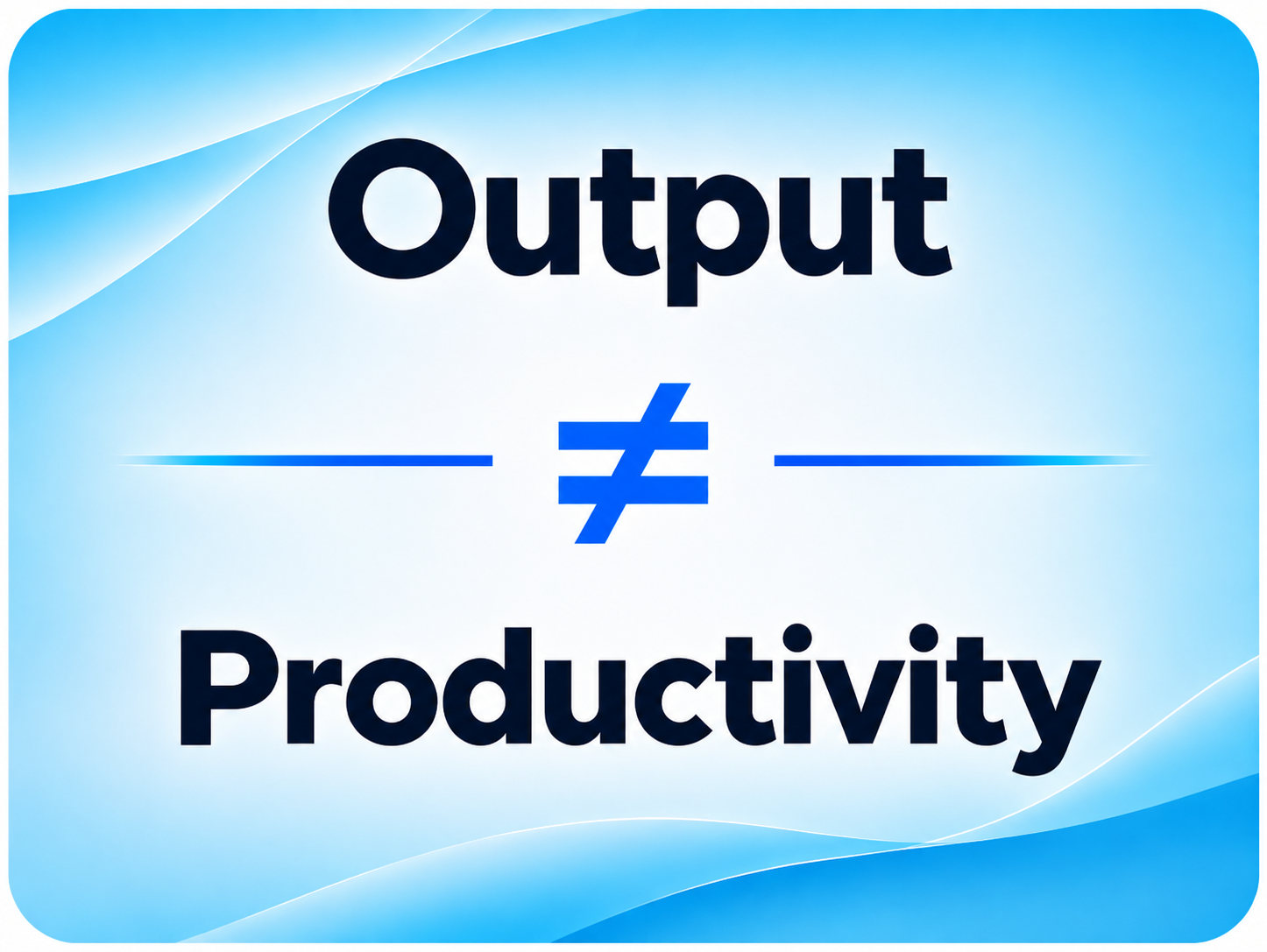
Output ≠ Productivity
AI can increase output without improving productivity. AI transformation fails when work still moves through silos, handoffs, and slow decisions. More AI output does not create more business value.
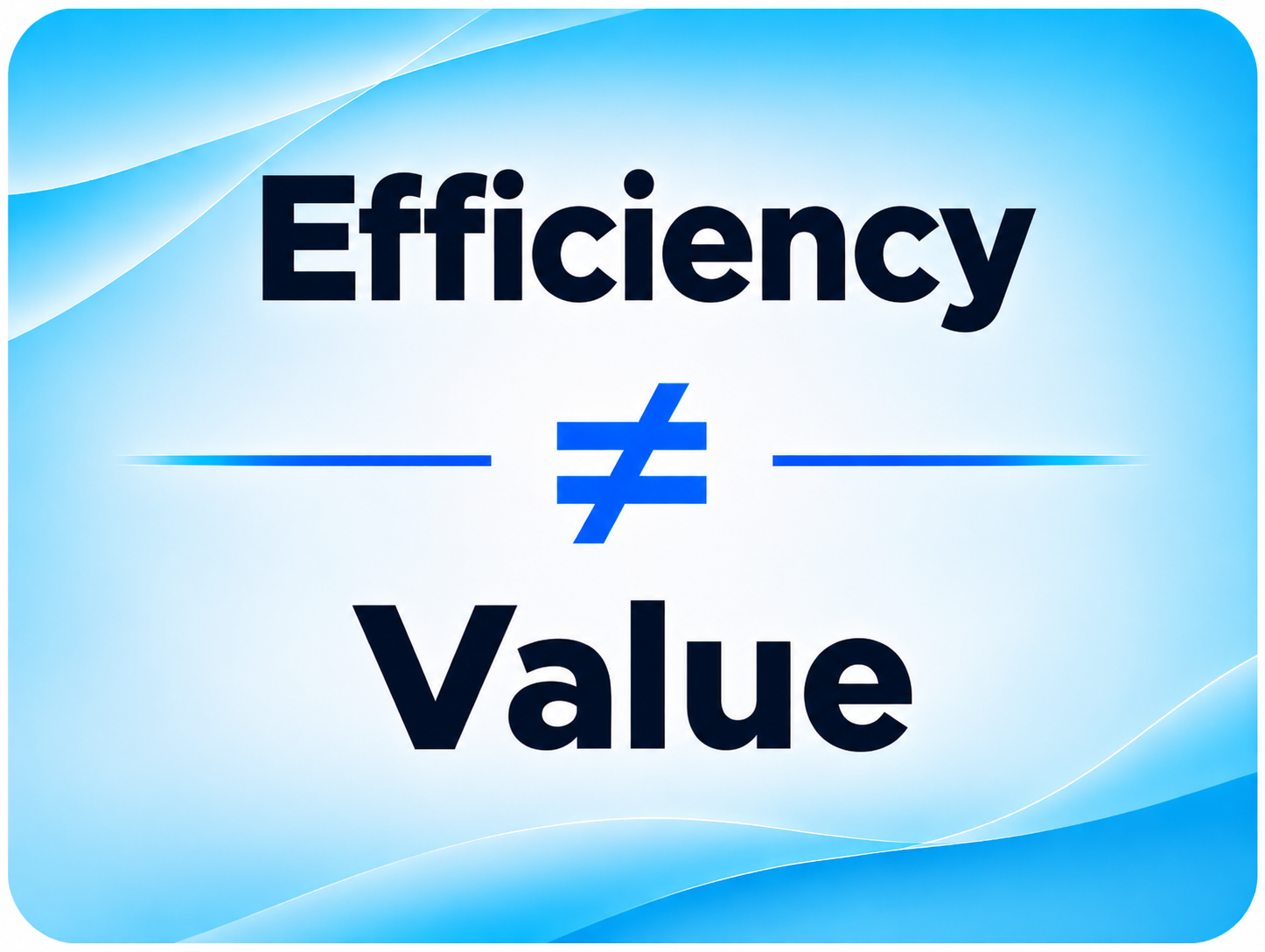
Efficiency ≠ Value
AI can make work faster without making the business more valuable. AI transformation fails when efficiency gains are disconnected from customer value, decision flow, and measurable ROI.

Gen AI + Legacy Organization = Failure
Generative AI cannot overcome a legacy operating model built around silos, slow governance, and fragmented ownership. Without organizational redesign, AI business transformation produces faster activity, not transformation.
Michael Nir
Author. Speaker. AI Transformation Strategist
For more than two decades, Michael Nir has helped organizations rethink how they work, make decisions, and deliver value.
His focus today is a critical question:
Why AI Transformation Fails: If AI can move this fast, why can’t the organization?
Michael is the author of fourteen books on leadership, influence, agile, and organizational transformation. His forthcoming book, Transform Your Business with AI: Reimagining Structure, People, and Technology, will be published by Business Expert Press.

Why AI Transformation Fails and What Must Change
AI transformation fails when powerful technology is layered onto legacy structures, siloed workflows, and slow operating models. The solution is an AI-enhanced organization built to operate at AI speed.

Reimagine Structure
Traditional hierarchies and silos fragment ownership and slow decisions.
Build cross-functional structures that combine individuals, AI, data, and end-to-end accountability around customer value.

Reimagine People
AI changes roles, decision-making, and how work gets done.
Redesign human + AI collaboration so people focus on decisions, creativity, and outcomes, rather than producing more output.

Reimagine Technology
Adding AI to legacy systems and workflows does not create transformation.
Connect AI, data, automation, and workflow around measurable business outcomes, not isolated tools and pilots.
From the Forthcoming Book
Transform Your Business with AI
Reimagining Structure, People, and Technology
Business Expert Press · 2027
AI transformation is failing to deliver business value because most organizations are adding powerful new technology to structures designed for a slower world. Traditional hierarchies, functional silos, slow decision-making, fragmented ownership, and legacy operating models continue to constrain how quickly value can move through the enterprise.
AI does not remove these constraints. It exposes them.
The challenge is redesigning the organization around what AI makes possible: faster learning, faster decisions, better human + AI collaboration, and end-to-end accountability for customer value.
Preface: What if the assumptions we are making about generative artificial intelligence (AI) are wrong? Much of today’s AI discussion focuses on individual productivity: writing faster, coding faster, producing more output. But more individual productivity does not automatically create enterprise productivity, business value, or measurable ROI. When AI-generated work still moves through the same silos, approvals, handoffs, funding structures, and governance processes, the organization remains slow.
AI Transformation Consulting & Speaking
What happens when AI moves faster than the organization around it?
AI is changing the speed of business.
The organization has to change with it.